



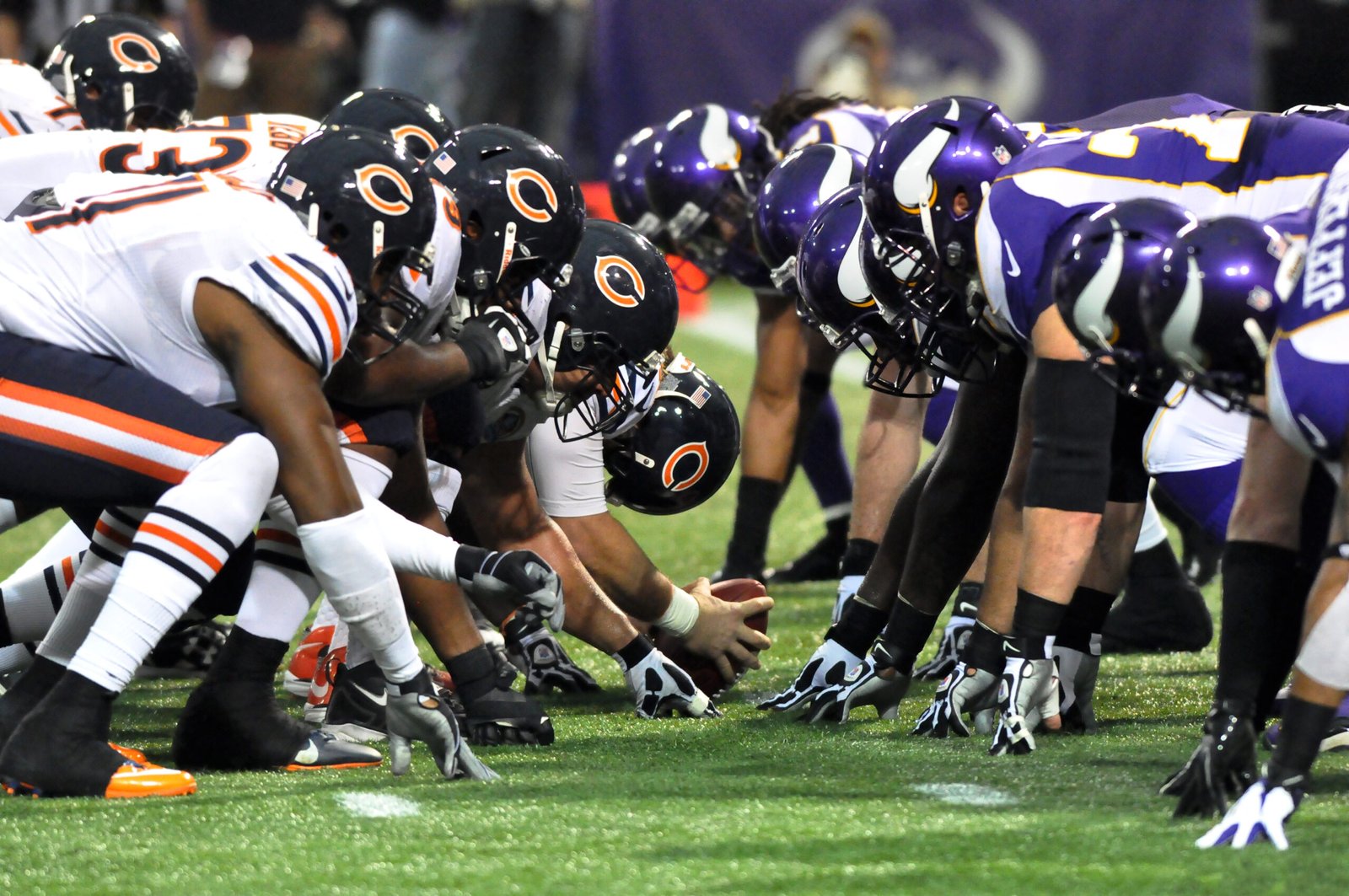
Minnesota Vikings vs Chicago Bears match player stats are turning heads across the NFL world after a game filled with unexpected heroes, brutal hits, and numbers that defy preseason expectations. Before the final whistle blew, fans were already buzzing: who dominated? Who surprised? And which performances could rewrite the narrative of the season? From breakout stars to veteran resilience, this article dives deep into every crucial stat that defined one of the most talked-about NFL matchups of the year.
As the dust settles on this weekend’s clash, there’s a whirlwind of stats, predictions, and storylines that could shape both teams’ futures. What happened on the field wasn’t just a game — it was a turning point. Here’s your complete, engaging, and data-rich breakdown of the Minnesota Vikings vs Chicago Bears match player stats, featuring insights that analysts and fans can’t stop discussing.
Dominance in the Trenches: Offensive Line Battle Highlights
When analyzing the Minnesota Vikings vs Chicago Bears match player stats, the offensive line performances were early indicators of how the game would unfold. The Vikings’ offensive front consistently created time in the pocket, enabling clean reads and reducing sacks. In contrast, the Bears’ line struggled to maintain cohesion, allowing pressure that forced hurried throws and disrupted rhythm. This stat point was a key early narrative for pundits and fans alike. It showcased how important line play remains in modern NFL strategy.
Historically, these two NFC North rivals have prided themselves on physical play up front, but this matchup tilted clearly in Minnesota’s direction. Analysts noted that run-block efficiency favored the Vikings by a considerable margin, hinting at a game script that would lean heavily on controlled drives and clock management. The Bears, on the other hand, will likely enter film review with a focus on tightening gaps and communication to enhance their protection schemes in upcoming weeks.
Quarterbacks Under the Microscope
The Minnesota Vikings vs Chicago Bears match player stats illuminated contrasting performances from each team’s quarterback. The Vikings’ signal-caller delivered a poised, efficient outing — posting completion percentages that beat league averages and avoiding costly turnovers. His decision-making under pressure was a highlight, leading to several key conversions on third down. This strong showing boosted his season metrics and sparked trending discussions about MVP potential among fans and analysts.
Conversely, the Bears’ quarterback faced a challenging night. Pressured at critical junctures, his numbers dipped below expectations, particularly in the red zone. Despite flashes of brilliance, including a few well-placed deep throws that electrified the crowd, inconsistency ultimately defined his evening. Football commentators are already dissecting how this performance will impact the Bears’ offensive game plan moving forward, especially with divisional rivals looming on the schedule.
Running Game Breakdown
A significant chapter in the Minnesota Vikings vs Chicago Bears match player stats was the dominant rushing attack. The Vikings gashed the Bears’ defense with a balanced ground game that consistently moved the chains. Their lead running back posted one of his most impressive stat lines of the season, combining yardage with explosive plays that shifted momentum. Running backs don’t always make headlines, but in this matchup, Minnesota’s ground threat was impossible to ignore.
Contrastingly, Chicago’s running game struggled to find traction. Behind an inconsistent blocking scheme, Bears’ rushers were frequently met at or behind the line of scrimmage, forcing the team into predictable passing situations. This stat trend explained much of the offensive inefficiency that plagued the Bears throughout the contest. As teams around the league emphasize versatility in their rushing arsenals, this aspect of Chicago’s performance has raised questions about offseason adjustments and personnel tweaks.
Defensive Standouts and Turnover Impact
Defense played a central role in shaping the headlines from the Minnesota Vikings vs Chicago Bears match player stats. The Vikings defense generated pressure, forced turnovers, and limited explosive plays. A standout linebacker led the team in tackles and was credited with several tackles-for-loss, underscoring his impact both in the box and on passing downs. Defensive coordinators lauded the unit’s discipline and gap control postgame.
The Bears’ defense had moments of brilliance, including a pivotal pass breakup on a third-down play that could have extended a Vikings drive. However, lapses in tackling and coverage led to big gains that ultimately swung the stat line in Minnesota’s favor. Turnovers, always a game-changer in NFL trends, also tilted the narrative — with the Vikings capitalizing on extra possessions that helped seal the contest. These takeaway stats are already trending on social platforms and NFL analytical pages.
Special Teams: Hidden Yet Decisive Stats
Often overlooked, special teams contributed key Minnesota Vikings vs Chicago Bears match player stats that shifted field position and scoring chances. The Vikings kicker posted a near-perfect day, including multiple field goals from beyond 40 yards — a stat that hints at reliability under pressure. Punting efficiency and return yardage also favored Minnesota, impacting starting field positions throughout the game.
Chicago had its own bright spots in the kicking game, but a missed extra point lingered in postgame talk, as did a kick return that started promisingly but ended prematurely due to a solid tackle. These special teams metrics might seem minor to casual observers, but they provide critical context for coaches reviewing performance trends and planning tactical adjustments.
Offensive Patterns: Third Down and Red Zone Efficiency
Delving further into the Minnesota Vikings vs Chicago Bears match player stats reveals fascinating trends in situational football. Third-down conversions were a clear advantage for the Vikings, with sustained drives reflecting sharp playcalling and execution. This efficiency kept the Bears’ defense on the field longer and wore down resistance as the game progressed. In today’s NFL, strong third-down play often correlates with overall success, and this game was no exception.
In the red zone, Minnesota again found success with a blend of running and short-area passing that translated into points rather than field goals. Chicago’s red-zone offense, while creative, stalled at key moments — raising questions about play selection and offensive balance. These particular stats are already being analyzed by betting communities and fantasy football players looking for edge insights ahead of next week’s matchups.
Player Health Updates and Impact on Stats
In any high-octane NFL matchup, injuries can alter the statistical landscape significantly. During the Minnesota Vikings vs Chicago Bears match, a couple of impactful players left the game briefly due to minor injuries, affecting rotation and snap counts. The Vikings managed substitutions effectively, with backups stepping into roles without a noticeable drop in performance — a stat trend that underscores roster depth.
For the Bears, an early tag to one of their defensive stars may have contributed to missed assignments that showed up in the box score. NFL insiders are weighing how load management and midseason health strategies will play into team performance down the stretch. These context-driven stat details are crucial for fans who crave deeper insights beyond the scoreboard.
Trending Reactions and Fan Response
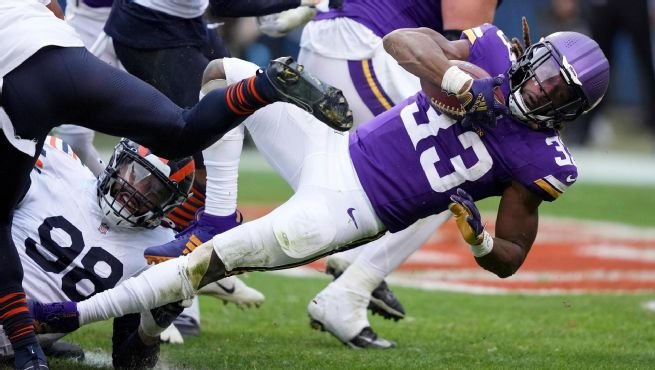
Social media lit up with reactions to the Minnesota Vikings vs Chicago Bears match player stats almost instantly. Fans highlighted breakout performances, debated controversial calls, and shared clip-worthy moments that amplified player stat lines. Trending hashtags surged on game day, with many viewers linking standout numbers to broader narratives about playoff contention and divisional rivalries.
Journalists and analysts alike echoed many of these stat-driven storylines on national broadcasts and podcasts. Whether it was a surprising defensive stat or an unexpected offensive spark, these numbers fueled discussions that extended well beyond the stadium. For engaged NFL followers, this kind of deep stat conversation enriches the fan experience and boosts anticipation for upcoming matchups.
Predictions Based on These Stats
What do the Minnesota Vikings vs Chicago Bears match player stats suggest about the future? Analysts are already offering early forecasts. If the Vikings maintain their offensive efficiency and continue winning the line-of-scrimmage battle, they could emerge as divisional favorites. Defensive consistency and complementary special teams will be key to sustaining the momentum reflected in recent stat trends.
Meanwhile, the Bears have clear opportunities for growth, particularly in run blocking and situational play. Addressing inefficiencies on third down and tightening defensive coverage could turn close losses into competitive wins. Stat-forward models predict that even small improvements in these areas might significantly impact their record and playoff trajectory.
Quick Facts from the Game
To wrap up our deep dive into the Minnesota Vikings vs Chicago Bears match player stats, here are quick facts that summarize the most impactful numbers:
- Vikings held a higher third-down conversion rate than the Bears.
- The lead Vikings running back posted his best yardage of the season.
- Bears’ quarterback faced above-average pressure, impacting his completion rate.
- The Vikings defense recorded more sacks and tackles-for-loss than expected.
- Special teams swings altered field position in favor of Minnesota across multiple possessions.
These quick stats encapsulate a game defined by measurable dominance, resilience, and strategic execution.
Final Thoughts
The Minnesota Vikings vs Chicago Bears match player stats tell a compelling story of strategic supremacy, individual grit, and emerging trends poised to echo through the rest of the NFL season. From standout offensive displays to crucial defensive stops — these numbers matter. Whether you’re a fantasy player, an analyst, or a devoted fan, the data from this game offers a treasure trove of insights.
